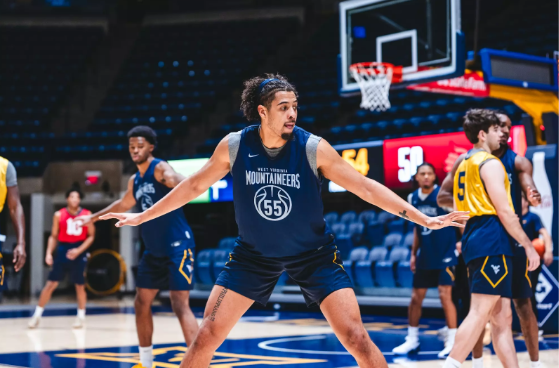
West Virginia University WVU basketball has been a cornerstone of collegiate athletics, representing not just the university but the spirit and pride of the entire state. Known for its passionate fan base, thrilling games, and memorable moments, WVU basketball has built a legacy that resonates with both past and present generations of fans. From its early beginnings to its modern-day prominence in college basketball, the Mountaineers have consistently demonstrated determination, grit, and a commitment to excellence on the court.
Early History and Foundations
The history of WVU basketball dates back to the early 1900s. The program officially began in 1903, and over the decades, it gradually evolved into one of the most respected basketball programs in the nation. In its formative years, the team faced the challenge of establishing itself amid the rise of college basketball across the United States. Despite these obstacles, the Mountaineers showed resilience, laying a strong foundation for future success.
Early seasons were marked by regional competitions, with WVU striving to make a name for itself in the Appalachian region. By the 1950s, the team had established a more organized structure and started attracting talented players who would later become legends in the WVU basketball story.
Iconic Coaches and Leadership
One of the defining aspects of WVU basketball has been its coaches. Legendary figures like Gale Catlett, Bob Huggins, and others have left indelible marks on the program.
Gale Catlett Era (1978–2002)
Gale Catlett is one of the most influential figures in WVU basketball history. Under his guidance, the Mountaineers consistently competed at a high level, achieving multiple NCAA tournament appearances and conference titles. Catlett’s leadership emphasized discipline, teamwork, and a high-energy style of play that became synonymous with WVU basketball. His tenure helped shape the culture and identity of the program, fostering a sense of pride and tradition among players and fans alike.
Bob Huggins Era (2007–2023)
Bob Huggins, a native of West Virginia, returned to coach the Mountaineers in 2007. Huggins brought a fiery intensity and strategic brilliance that immediately revitalized the program. Known for his defensive-minded teams and relentless work ethic, Huggins led WVU to numerous NCAA tournament appearances, including a memorable Final Four run in 2010. Under his leadership, WVU basketball became synonymous with toughness, resilience, and a never-say-die attitude. Huggins also played a key role in recruiting local talent and maintaining a strong connection with the state’s basketball community.
Notable Players in WVU History
WVU basketball has produced numerous standout players who have excelled at both the collegiate and professional levels. These athletes have contributed significantly to the program’s success and helped elevate its reputation nationally.
Jerry West
Arguably the most iconic WVU basketball player, Jerry West, played for the Mountaineers from 1957 to 1960. West’s exceptional skill, leadership, and scoring ability made him a standout player, earning him All-American honors. He led WVU to the 1959 NCAA Championship game and left a lasting legacy as one of the greatest players in college basketball history. West went on to have a legendary career in the NBA, further cementing his status as a basketball icon.
Rod Thorn
Rod Thorn, another notable WVU player, made significant contributions in the 1960s. Known for his versatility and basketball IQ, Thorn played a key role in the team’s success during his tenure. He later enjoyed a successful career in the NBA as both a player and executive, demonstrating the long-lasting influence of WVU basketball alumni.
JeVon Carter
Fast-forwarding to modern times, JeVon Carter exemplified WVU’s defensive identity. Playing from 2014 to 2018, Carter was renowned for his lockdown defense, leadership, and clutch performances. His efforts helped WVU secure deep runs in the NCAA tournament and brought national attention to the program. Carter’s tenacity on the court embodied the spirit of Mountaineer basketball.
Conference Affiliations and Rivalries
WVU basketball has experienced several conference affiliations throughout its history, each shaping the program in unique ways.
Southern Conference and Atlantic 10
In its early years, WVU competed in the Southern Conference before transitioning to the Atlantic 10. These affiliations helped the Mountaineers gain exposure and compete against formidable opponents, further developing the team’s competitive edge.
Big East Era (1995–2012)
The move to the Big East Conference was a significant milestone for WVU basketball. The Big East era brought high-profile matchups, increased media attention, and intense rivalries. During this period, WVU became known for its gritty style of play and ability to compete against some of the nation’s best programs.
Big 12 Era (2012–Present)
WVU’s current home is the Big 12 Conference, one of the most competitive basketball leagues in the country. This affiliation has presented both challenges and opportunities. While facing strong opponents consistently, the Mountaineers have maintained their reputation as a tough, resilient team capable of competing at the highest level.
Rivalries
Rivalries are a cornerstone of WVU basketball. Matchups against the University of Pittsburgh, often referred to as the “Backyard Brawl,” carry deep historical significance and evoke intense emotions among fans. Games against other conference opponents like Kansas and Texas Tech also highlight the program’s competitive spirit and drive for excellence.
Playing Style and Team Identity
WVU basketball is widely recognized for its unique style of play, often referred to as “Press Virginia.” This approach emphasizes full-court pressure, aggressive defense, and high-tempo offense. The strategy is designed to disrupt opponents, force turnovers, and create fast-break opportunities.
The Mountaineers’ commitment to defense and relentless energy has become a defining characteristic of the program. Players are trained to maintain discipline while executing complex defensive schemes, creating a team identity that is both formidable and respected across college basketball.
Home Court Advantage: WVU Coliseum
The WVU Coliseum, located in Morgantown, West Virginia, serves as the heart of Mountaineer basketball. Opened in 1970, this iconic arena has witnessed countless historic games, buzzer-beaters, and unforgettable moments. With a seating capacity of over 14,000, the Coliseum provides an electric atmosphere that energizes players and fans alike.
Known for its passionate and vocal crowd, the Coliseum creates one of the most intimidating environments in college basketball. Opposing teams often struggle against the intensity of Mountaineer fans, who contribute significantly to the home-court advantage. The combination of fan support, tradition, and energy makes the WVU Coliseum a true fortress for the Mountaineers.
NCAA Tournament Success
WVU basketball has a rich history in the NCAA tournament, marked by memorable runs and historic upsets. The program has consistently been a contender, earning multiple appearances and advancing deep into the tournament on several occasions.
The 1959 NCAA Championship game, led by Jerry West, remains one of the most iconic moments in WVU history. More recently, the 2010 Final Four run under Bob Huggins showcased the team’s defensive prowess and determination. These successes have not only elevated the program’s national profile but have also instilled a sense of pride among fans and alumni.
Recruiting and Player Development
Recruiting is a vital component of WVU basketball’s sustained success. The program places a strong emphasis on identifying talented players who embody the team’s values of hard work, resilience, and competitiveness. Coaches prioritize recruiting locally, ensuring that West Virginia’s top talent has the opportunity to represent their home state on a national stage.
Player development is another area where WVU excels. Through rigorous training programs, skill development, and mentorship, the program prepares athletes for success both on and off the court. Many WVU players have gone on to successful careers in professional basketball, coaching, and other fields, reflecting the program’s commitment to holistic development.
Community Engagement and Fan Culture
WVU basketball is deeply intertwined with the local community. Fans are not just spectators but active participants in the Mountaineer basketball experience. The team engages in numerous outreach initiatives, including youth basketball clinics, charity events, and community service projects.
The fan culture surrounding WVU basketball is unique and passionate. Mountaineer fans are known for their loyalty, creativity, and enthusiasm. Traditions such as the “Mountaineer Maniacs,” the student cheering section, and the school’s fight songs contribute to a vibrant and unforgettable game-day experience. This strong bond between the team and its supporters helps maintain the program’s identity and legacy.
Challenges and Triumphs
Like any storied program, WVU basketball has faced its share of challenges. Coaching changes, injuries, and the competitive nature of college basketball have tested the team’s resilience over the years. However, the Mountaineers have consistently demonstrated the ability to overcome adversity, turning challenges into opportunities for growth and success.
Triumphs, both on and off the court, have solidified WVU basketball’s reputation. Historic wins, tournament runs, and the development of elite players are celebrated milestones that contribute to the program’s enduring legacy. Each generation of players and coaches adds new chapters to the rich history of Mountaineer basketball.
The Future of WVU Basketball
Looking ahead, WVU basketball is poised for continued success. With a strong coaching staff, dedicated players, and a passionate fan base, the program has the foundation to compete at the highest levels of college basketball. Emphasis on recruiting, player development, and maintaining the unique identity of Mountaineer basketball will ensure that the program remains competitive and relevant in the ever-evolving landscape of NCAA basketball.
The future also includes expanding the program’s reach, increasing media exposure, and fostering deeper connections with alumni and fans. As the team continues to grow and adapt, WVU basketball’s legacy of resilience, passion, and excellence will undoubtedly endure.
Conclusion
WVU basketball represents more than just a sport; it embodies the spirit of West Virginia. From legendary players and iconic coaches to unforgettable games and devoted fans, the program has created a legacy that transcends generations. Its unique style of play, commitment to excellence, and deep-rooted community ties make WVU basketball a program to be admired and celebrated.
As the Mountaineers continue to compete on the national stage, their story serves as a testament to perseverance, teamwork, and the enduring power of sports to inspire and unite. WVU basketball remains a source of pride for the university, its alumni, and the entire state, ensuring that its legacy will continue for generations to come.
FAQs
Q: When did WVU basketball start?
A: WVU basketball officially began in 1903, making it one of the longstanding programs in college basketball history.
Q: Who is the most famous WVU basketball player?
A: Jerry West is the most iconic WVU basketball player, known for leading the team to the 1959 NCAA Championship game and having a legendary NBA career.
Q: What is the home arena for WVU basketball?
A: The Mountaineers play their home games at the WVU Coliseum in Morgantown, West Virginia, which is known for its electric atmosphere and passionate fans.
Q: Which conferences has WVU basketball been a part of?
A: WVU has competed in the Southern Conference, Atlantic 10, Big East, and currently plays in the Big 12 Conference.
Q: What is “Press Virginia”?
A: “Press Virginia” is WVU’s signature style of play, characterized by full-court pressure, aggressive defense, and fast-paced offense, designed to disrupt opponents and create turnovers.
Q: Who are WVU’s biggest basketball rivals?
A: WVU has historic rivalries with the University of Pittsburgh, known as the “Backyard Brawl,” as well as competitive matchups against other Big 12 teams like Kansas and Texas Tech.
Q: Has WVU basketball ever reached the Final Four?
A: Yes, WVU reached the NCAA Final Four in 2010 under Coach Bob Huggins, marking one of the program’s most memorable achievements.
Q: How does WVU basketball contribute to the local community?
A: The program engages in community outreach, including youth basketball clinics, charity events, and service projects, fostering strong connections with fans and the local area.