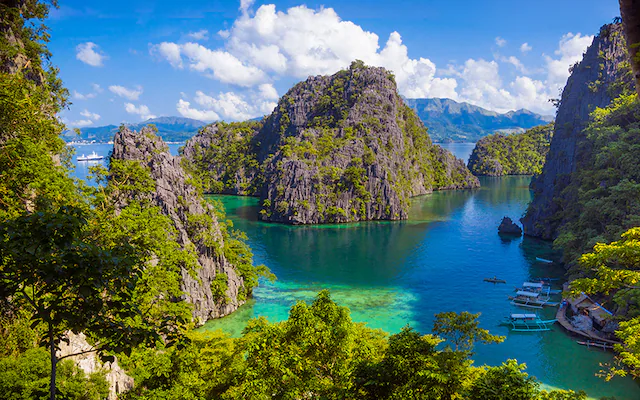
The Philippines is a beautiful country in Southeast Asia made up of over 7,000 islands. It is famous for its stunning beaches, rich culture, delicious food, and warm people. The country has a tropical climate, which means it is warm and sunny most of the year. It is also known for its festivals, historical landmarks, and natural wonders. Traveling to the Philippines can give you an experience full of adventure, relaxation, and culture.
The country is located in the western Pacific Ocean. It shares its borders with the South China Sea, the Philippine Sea, and the Celebes Sea. Its capital city is Manila, and the largest city is Quezon City. The Philippines is a diverse country with many languages, but Filipino and English are the official languages. Its population is around 113 million people, making it one of the most populated countries in Asia.
Geography of the Philippines
The Philippines has a diverse geography that includes mountains, volcanoes, rivers, lakes, and beaches. Some of its famous mountains are Mount Apo and Mount Mayon. Mount Mayon is famous for its perfect cone shape. The country also has many active volcanoes and beautiful coral reefs. These natural features make the Philippines a popular destination for hikers, divers, and nature lovers.
The islands of the Philippines are divided into three main groups: Luzon, Visayas, and Mindanao. Luzon is the largest island and home to the capital, Manila. Visayas is known for its beautiful beaches and islands, such as Boracay and Cebu. Mindanao is rich in natural resources and has many mountains and lakes. The country’s location also makes it prone to typhoons and earthquakes, which are part of its natural challenges.
Culture and Traditions
The culture of the Philippines is a mix of Asian, Spanish, and American influences. The country was colonized by Spain for over 300 years, which is why many Filipinos are Catholic. Christianity plays a significant role in Filipino culture, and you can see it in their churches, festivals, and daily life.
Filipinos are known for their hospitality. Visitors often feel welcome because people are friendly and helpful. Traditional Filipino customs include greeting elders with respect and celebrating important life events with family gatherings. Festivals are also a big part of Filipino culture. Some famous festivals are Sinulog in Cebu, Ati-Atihan in Aklan, and Pahiyas in Quezon. These festivals are colorful and full of music, dance, and food.
Food in the Philippines
Filipino food is delicious and unique. It is a mix of native, Spanish, Chinese, and American flavors. Some popular dishes include adobo, sinigang, lechon, and pancit. Adobo is a meat dish cooked in vinegar, soy sauce, and garlic. Sinigang is a sour soup made with meat or seafood and vegetables. Lechon is a roasted pig, often served at parties and festivals. Pancit is a noodle dish that comes in many varieties, each from a different region of the Philippines.
Street food is also very popular. You can find snacks like balut, which is a fertilized duck egg, and kwek-kwek, which are deep-fried quail eggs coated in orange batter. Fruits like mangoes, bananas, and coconuts are also widely available. Filipino desserts, such as halo-halo, leche flan, and bibingka, are sweet and perfect for tropical weather.
Tourism in the Philippines
Tourism is a major part of the Philippines’ economy. Millions of tourists visit every year to enjoy beaches, diving spots, mountains, and historical sites. Boracay, Palawan, and Siargao are some of the top tourist destinations. Boracay is famous for its white sand beaches and clear waters. Palawan is known for its limestone cliffs, lagoons, and underground rivers. Siargao is a surfing paradise with beautiful waves and a relaxed island vibe.
The Philippines also has many historical landmarks. Intramuros in Manila is an old walled city built by the Spanish. Rizal Park is a famous historical site dedicated to the national hero, Jose Rizal. Other attractions include the Chocolate Hills in Bohol, the Banaue Rice Terraces in Ifugao, and Taal Volcano in Batangas. Each of these places offers unique experiences for travelers.
Economy of the Philippines
The Philippines has a growing economy. Its main industries include agriculture, manufacturing, mining, and services. Agriculture is important, with rice, corn, sugarcane, coconut, and bananas as major crops. The country is also known for producing electronics, garments, and furniture for export. Mining includes gold, copper, and nickel.
The service sector, especially tourism and business process outsourcing (BPO), is rapidly growing. Many international companies outsource their customer service and technical support to the Philippines because of the English-speaking workforce. Overseas Filipino Workers (OFWs) also play a significant role in the economy. Millions of Filipinos work abroad and send money home, which supports families and the national economy.
Education in the Philippines
Education in the Philippines is an important part of daily life. The country has a mix of public and private schools. Filipino children usually start school at the age of six. The school system includes elementary, high school, and college education. Many students pursue higher education in fields such as engineering, medicine, business, and technology.
English is widely used in schools, making the Philippines a popular place for learning English. Many foreigners come to the country to study the language. Universities like the University of the Philippines and Ateneo de Manila are well-known for providing quality education. Education is highly valued in Filipino families, and children are encouraged to study hard and succeed.
Festivals and Celebrations
The Philippines is known as the “Festival Capital of the World” because of its colorful and lively celebrations. Festivals are held throughout the year to celebrate religion, harvest, history, and culture. Sinulog Festival in Cebu honors the Santo Niño or the Holy Child. Ati-Atihan Festival in Aklan celebrates the first settlers of Panay Island. Pahiyas Festival in Quezon is a thanksgiving festival where houses are decorated with colorful agricultural products.
Christmas is a major celebration in the Philippines. The country is famous for having the longest Christmas season in the world. Celebrations begin in September and continue until January. Families decorate their homes with lights, parols (star-shaped lanterns), and Christmas trees. These traditions show the strong family and religious values of Filipino culture.
Nature and Wildlife
The Philippines is home to rich biodiversity. Its forests, mountains, and seas support many plants and animals. The country is home to the Philippine eagle, tarsiers, and many unique marine species. Coral reefs around the islands are teeming with fish, making the Philippines a top diving destination.
Protected areas like Palawan’s marine parks and Mount Apo Natural Park preserve wildlife and natural habitats. Ecotourism is growing, encouraging visitors to explore nature responsibly. Activities like snorkeling, diving, hiking, and birdwatching attract nature lovers and adventure seekers. The natural beauty of the Philippines is one of its greatest treasures.
Transportation in the Philippines
Getting around the Philippines can be an adventure. The country has a mix of modern and traditional transportation. Major cities have buses, jeepneys, taxis, and tricycles. Jeepneys are colorful public vehicles and an iconic symbol of Filipino culture. Tricycles are three-wheeled motorcycles used for short distances in towns and rural areas.
For long-distance travel, ferries connect the islands. Domestic flights are common for reaching faraway islands. Major airports include Ninoy Aquino International Airport in Manila and Mactan-Cebu International Airport. Roads and highways connect cities and provinces, but traffic in big cities can be heavy. Despite challenges, transportation allows travelers to explore the diverse islands of the Philippines.
Language and People
The people of the Philippines are known for being warm, friendly, and resilient. Filipino is the national language, but there are over 170 local languages and dialects. English is widely spoken and is often used in business, education, and government.
Filipinos value family, respect, and community. Social gatherings, fiestas, and family meals are common. Visitors often notice the cheerful and welcoming nature of the people. Hospitality is a core part of the culture, and tourists often feel at home when visiting the country.
Conclusion
The Philippines is a country full of beauty, culture, and adventure. Its islands, beaches, mountains, and wildlife offer endless opportunities for travelers. The rich history, festivals, and traditions show the depth of Filipino culture. Delicious food, warm people, and exciting destinations make it a place worth visiting.
Whether you want to relax on a white sand beach, explore nature, or learn about history, the Philippines has something for everyone. Its unique blend of cultures and natural wonders makes it a true gem of Southeast Asia. Visiting the Philippines can give you memories that last a lifetime and a chance to experience the warmth and charm of the Filipino people.
FAQs
What is the capital of the Philippines?
The capital of the Philippines is Manila, which is located on the island of Luzon. It is a major center for business, culture, and history.
How many islands are there in the Philippines?
The Philippines is made up of over 7,000 islands. These islands are grouped into three main regions: Luzon, Visayas, and Mindanao.
What language do people speak in the Philippines?
Filipino and English are the official languages. However, there are over 170 local languages and dialects spoken across the country.
What are the popular tourist destinations in the Philippines?
Some popular destinations include Boracay, Palawan, Cebu, Siargao, and Bohol. Each place offers unique experiences such as beaches, mountains, diving, and cultural sites.
When is the best time to visit the Philippines?
The best time to visit is during the dry season from November to April. This is when the weather is sunny, and there is less chance of typhoons.